
Last Updated: February 4, 2026
Plumbing issues in house most commonly include hidden leaks, blocked drains, low water pressure, running toilets, and ageing pipework, all of which can lead to water damage and higher utility bills if left untreated. Early signs such as damp smells, slow drainage, or rising water usage often indicate developing problems that should be inspected quickly. Regular maintenance and prompt repairs significantly reduce costly emergencies and extend system lifespan (Source: UK Water Regulations Advisory Scheme – WRAS).
Most people don’t think much about their plumbing until something stops working.
A slow drain. A small drip under the sink. A toilet that keeps running.
It all feels minor, so it gets pushed to “later”.
But after years of call-outs across Dublin homes, we can tell you this honestly — small plumbing issues in house almost always turn into bigger and more expensive problems when they’re ignored.
What starts as a loose fitting or tiny leak can quietly damage floors, walls, and cabinets. By the time you notice it properly, you’re not fixing a small repair anymore — you’re dealing with water damage, mould, or even pipe replacements.
We regularly help homeowners who thought the issue would “sort itself out”, only to end up needing urgent help from an emergency plumber Dublin late at night or over a weekend.
The good news is that most of these problems give early warning signs.
If you know what to look for, you can fix them quickly and avoid the stress altogether.
Let’s go through the most common ones we see every day.
Why Small Plumbing Problems Get Expensive So Quickly
There’s a big difference between a €90 repair and a €900 repair.
Timing.
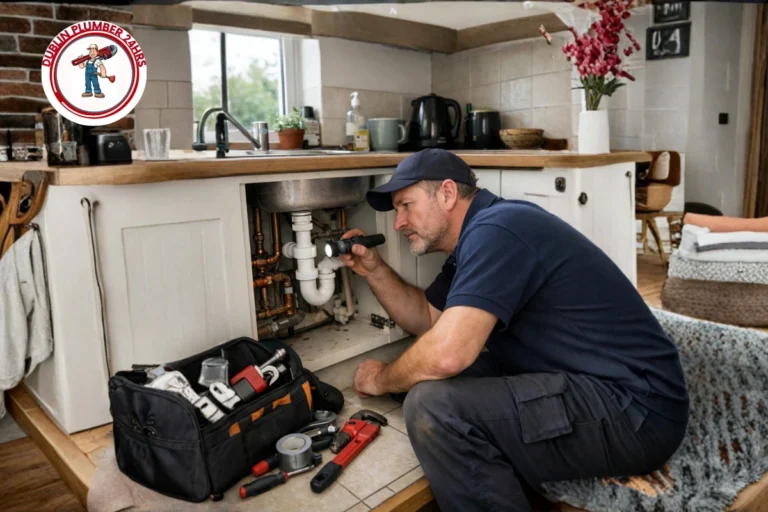
When we visit homes for routine jobs, the fixes are usually simple — tighten a joint, replace a washer, clear a short blockage.
But when the same issues are left for weeks or months, they spread.
A tiny leak under a sink slowly soaks the cabinet base.
A partially blocked pipe builds pressure and cracks.
Old pipework starts failing in multiple spots at once.
Before you know it, you’re not just repairing one section — you’re looking at bigger work like pipe replacements or even full house replumbing.
We see this pattern all the time, especially in older Dublin properties where plumbing systems have already been working hard for 20–30 years.
Small warning signs that shouldn’t be ignored include:
dripping sounds behind walls
slow drainage
low water pressure
stains or damp smells
unexpected increases in your water bill
Catching these early keeps repairs simple, cheaper, and far less stressful.
In the next section, we’ll look at one of the most common hidden problems — leaks you can’t even see at first.
Hidden Water Leak Under House or Floors
One of the most expensive problems we deal with isn’t a burst pipe or a major flood.
It’s a small, slow leak that nobody noticed.
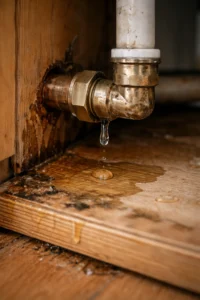
A water leak under house floors or behind walls can quietly run for weeks before you see any obvious damage. By the time it shows up, timber is damp, plaster is stained, and mould has already started forming.
These leaks often come from:
loose fittings under sinks
ageing copper joints
cracked pipes under floors
old seals around toilets or baths
small drips from heating pipework
Because everything is hidden, homeowners usually don’t realise there’s an issue until their water bill suddenly jumps or the room starts smelling musty.
We’ve had many call-outs where customers thought the problem was “just condensation”, but when we checked properly, there was an active leak soaking the floorboards underneath.
Early warning signs to watch for:
unexplained higher water bills
damp patches or stains
warped wooden floors
mould or mildew smells
constant sound of water running
pressure dropping slightly over time
If you notice even one of these, it’s worth checking straight away. A quick repair today can prevent thousands in damage later.
Leaks rarely fix themselves — they only get worse.
Drain Issues in House That Start Small
Blocked drains almost never happen overnight.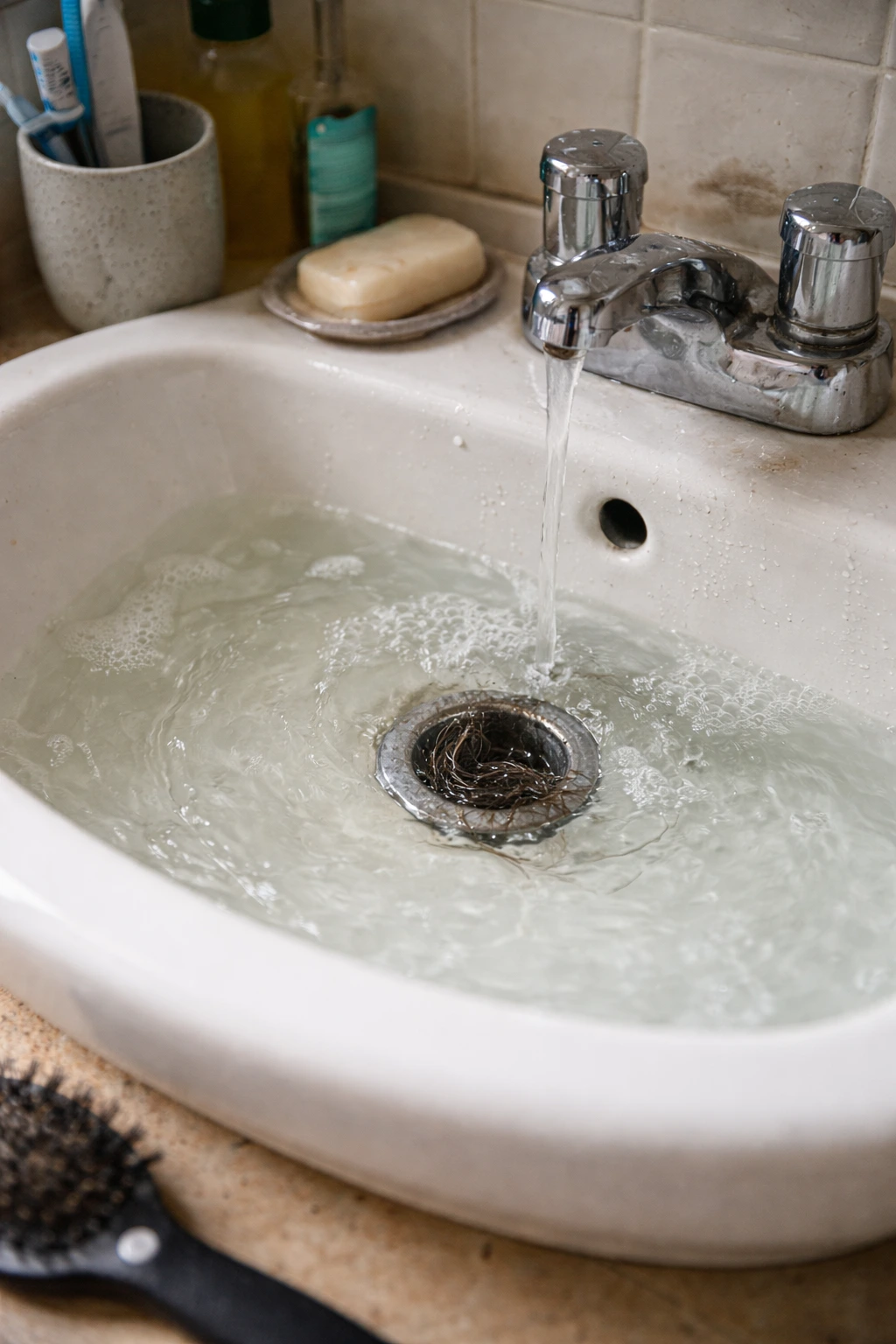
Most drain issues in house build up slowly, little by little, until one day the sink simply stops draining.
It usually starts with small changes that are easy to ignore.
Maybe the shower takes longer to empty.
Maybe the kitchen sink gurgles.
Maybe there’s a faint smell coming from the plughole.
These are early warning signs that something is building up inside the pipes.
Common causes we see every day include:
grease and food waste from sinks
hair and soap in showers
wipes and paper towels
coffee grounds
limescale build-up
outdoor drains filling with debris
A lot of people reach for strong chemicals first, thinking it’s a quick fix. The problem is that these products often damage older pipes and only clear part of the blockage, so the issue comes back again.
Over time, pressure builds inside the pipework. That’s when small clogs turn into fully backed up drains house situations, where water has nowhere to go and starts coming back up into sinks or showers.
At that stage, it’s no longer a small job — it becomes messy, stressful, and urgent.
Catching slow drains early is always cheaper and easier than waiting for a complete blockage.
Backed Up Drains House Emergencies
When drains fully block, things get unpleasant very quickly.
A slow sink is annoying.
A completely blocked drain is a different story.
We often get urgent calls from homeowners dealing with backed up drains house problems, usually at the worst possible time — late at night, during heavy rain, or when guests are over.
Instead of water going down, it starts coming back up.
Kitchen sinks fill.
Showers overflow.
Toilets struggle to flush.
In some cases, dirty water can even back up onto floors.
Most full blockages don’t happen suddenly. There were usually warning signs for days or weeks beforehand that were easy to miss.
Common signs before a drain backs up:
gurgling noises from pipes
bad smells from plugholes
water draining very slowly
water rising in other fixtures when you flush
outdoor drains overflowing in wet weather
Outdoor drains are especially vulnerable here in Dublin, where leaves, mud, and debris easily collect during heavy rain. Once the outside line blocks, everything inside the house struggles too.
Trying DIY fixes at this stage rarely works and can sometimes make it worse.
It’s always better to deal with drain problems early, before they turn into a messy emergency.
Other Common Plumbing Issues at Home We See Every Day
Not every problem is dramatic like a leak or a blockage.
Many plumbing issues at home are small, everyday faults that people simply get used to living with.
But these little problems still waste water, increase bills, and slowly wear down your system.
We see the same ones again and again during routine visits.
Dripping taps
A constant drip might not seem serious, but over time it can waste thousands of litres of water a year. Usually it’s just a worn washer or cartridge.
Running toilets
If your toilet keeps refilling or making noise after flushing, water is escaping inside the tank. This can quietly add a lot to your water bill.
Low water pressure
Weak showers or slow taps often point to hidden blockages, limescale, or small leaks somewhere in the system.
Noisy pipes
Banging or rattling sounds usually mean pressure problems or loose fittings. Left alone, they can damage joints over time.
Old fittings and valves
Older homes often have ageing stopcocks, flexi hoses, and seals that fail without warning. Replacing them early prevents sudden leaks.
None of these feel urgent on their own. But when several small issues combine, they often lead to bigger repairs later.
Staying on top of these little fixes keeps your plumbing reliable and saves money in the long run.
Simple Checks You Can Do Yourself
You don’t need to be a plumber to spot most problems early.
A few quick checks around the house every month can help you catch small plumbing issues in house before they turn into something expensive.
We always tell homeowners that prevention is easier than repairs.
Here are some simple things you can do yourself.
Look under sinks
Open the kitchen and bathroom cabinets and check for:
damp patches
small drips
loose connections
musty smells
Even a tiny leak can slowly damage the wood underneath.
Listen for unusual sounds
If you hear water running when nothing is turned on, there could be a hidden leak or a toilet constantly refilling.
Quiet houses make these sounds easier to notice.
Test your water pressure
If taps or showers suddenly feel weaker than usual, something may be blocking the pipework or there could be a small leak somewhere.
Pressure changes are often an early warning sign.
Clean plugholes and traps
Hair, grease, and soap build up faster than most people think. Clearing traps regularly helps prevent bigger drain issues later.
Check outdoor drains
Make sure outside gullies and covers are free from leaves, dirt, and debris, especially after heavy rain. Blocked outdoor drains often cause problems inside the house too.
Know where your stopcock is
In an emergency, turning off the water quickly can prevent serious damage. Every homeowner should know exactly where their main shut-off valve is located.
These small checks only take a few minutes but can save you a lot of stress and money.
When It’s Time to Call a Professional Plumber
DIY checks are helpful, but some problems shouldn’t be left too long.
If something keeps coming back or getting worse, it’s usually a sign that there’s a deeper issue behind the scenes.
From experience, we’ve seen many homeowners try to “manage” problems for months, only to end up needing a bigger repair later.
It’s usually best to get help when you notice:
leaks that don’t stop
repeated drain blockages
water stains on ceilings or floors
very low pressure throughout the house
bad smells from drains
no hot water
water backing up into sinks or showers
These aren’t just inconveniences — they often mean something more serious inside the system.
Getting a professional to check things early can prevent damage to floors, walls, and furniture, and it often works out cheaper than waiting for an emergency.
If you ever feel unsure, it’s always safer to have it looked at properly rather than risk a bigger problem later.
How Regular Maintenance Prevents Most Plumbing Issues in House
After years of working in homes across Dublin, one thing is very clear to us — most plumbing issues in house are preventable.
Very few problems happen out of nowhere.
They usually build up slowly because pipes, fittings, and drains haven’t been checked in a long time.
A bit of regular maintenance goes a long way.
Simple things like clearing drains, tightening fittings, checking for leaks, and servicing older systems can keep everything running smoothly for years.
Homes that get occasional checks tend to have:
fewer emergencies
lower repair costs
better water pressure
longer pipe lifespan
fewer surprises
It’s the same idea as servicing a car. Small checks now prevent big breakdowns later.
Even one quick inspection each year can catch worn parts or early leaks before they cause damage.
For most households, that peace of mind is worth it.
Frequently Asked Questions
What is the most common household plumbing problem?
The most common household plumbing problem is blocked drains or small leaks. Grease, hair, and everyday debris slowly build up inside pipes, while worn seals and joints often cause drips. These small issues are easy to fix early but can turn into bigger repairs if ignored.
What are the early signs of plumbing problems?
Early warning signs include slow drains, low water pressure, dripping taps, damp smells, stains on walls or ceilings, and higher water bills. These small changes usually mean something is developing behind the scenes and should be checked before it gets worse.
What are the plumbing issues in the house most homeowners face?
Typical plumbing issues in house include hidden leaks, blocked drains, running toilets, noisy pipes, and poor pressure. Older homes may also experience pipe corrosion or worn fittings. Regular checks help prevent these from becoming emergencies.
How do I find a hidden plumbing leak?
You can often spot a hidden leak by checking for rising water bills, damp patches, mould smells, warped floors, or hearing water running when taps are off. Turning off all fixtures and watching your water meter is another simple way to detect hidden leaks.
How do you tell if you have a blocked sewer line?
Common signs include multiple drains backing up at once, toilets bubbling or gurgling, slow drainage throughout the house, and bad smells from drains. If more than one fixture is affected, the blockage may be deeper in the main line.
What are four signs that your sewer line is broken?
Possible signs include frequent blockages, water backing up indoors, strong sewage smells outside, and damp or sinking patches in the garden. These usually indicate damage to the underground pipe and should be inspected quickly.
How long can a broken sewer line go undetected?
A broken sewer line can go unnoticed for weeks or months, especially if the damage is underground. However, over time it can cause serious problems like flooding, bad odours, or structural damage, so early inspection is always safer.
Final Thoughts
Plumbing problems rarely start big.
They usually begin as small signs that are easy to overlook — a drip, a slow drain, a strange noise.
But catching these early makes all the difference.
Staying aware of the common plumbing issues in house, doing a few simple checks, and acting quickly when something feels off can save you a lot of money and stress.
If you ever need advice or help, we’re always here to support homeowners across Dublin with fast, straightforward plumbing repairs and honest guidance.
A small fix today is always better than an emergency tomorrow.